Phoenician Leather
As it often does, James Heeley’s creative process began with one single ingredient - the rich, complex notes of labdanum concrète: smokey wood, amber, honey and dates take us back to Phoenicia (1200 BC). The Phoenicians were one of the first European civilizations to harvest dates, grapes and produce wine. They were also supreme navigators of the Levantine (eastern and southern Mediterranean). Highly skilled craftsmen and traders of precious metals, textiles, leather and exotic woods, they invented Tyrian purple – a rare pigment made from crushed seashells, subsequently used to dye the cloaks of Emperors.
Product Information
Product Information
Shipping & Returns
Shipping & Returns

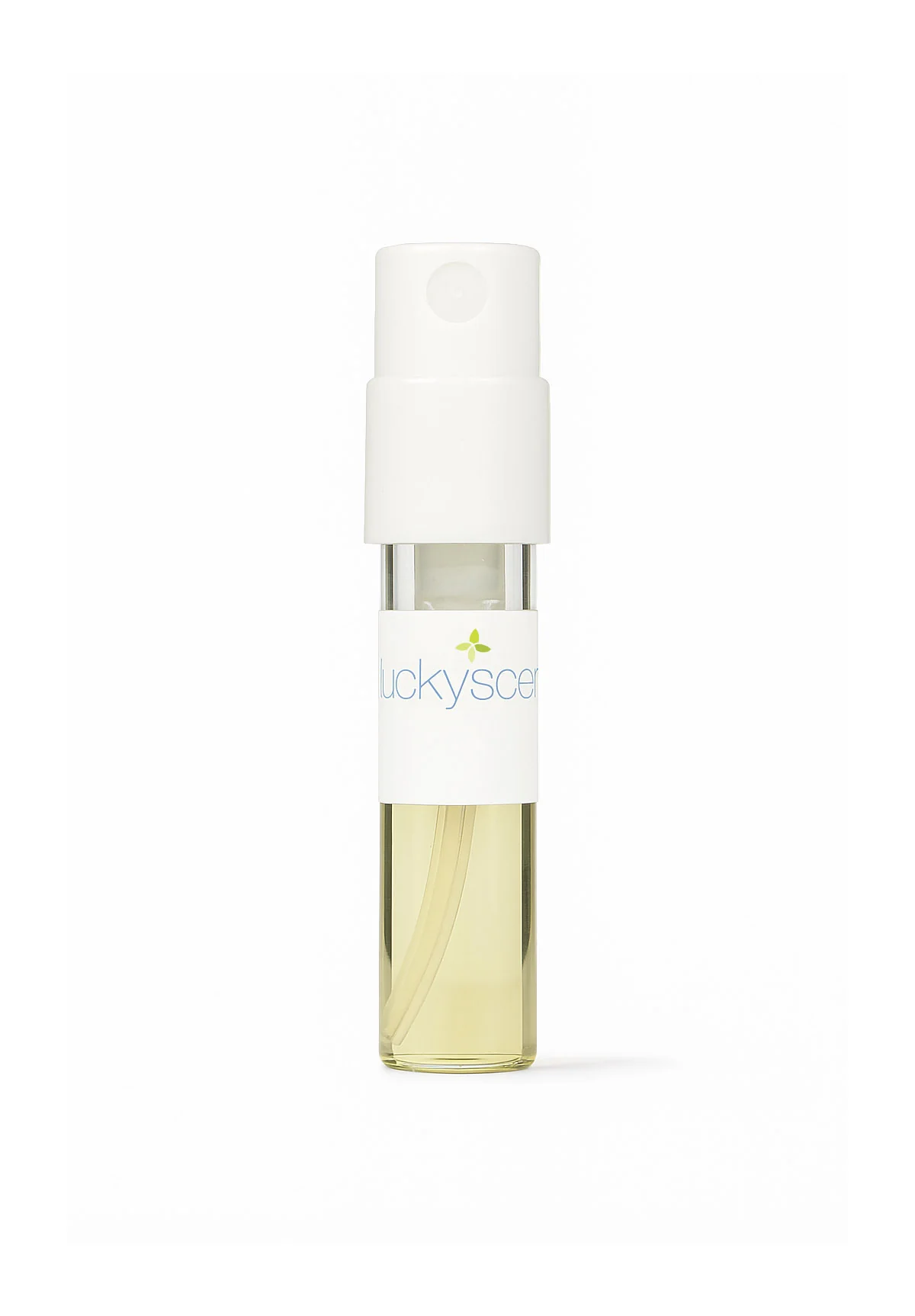
Phoenician Leather
Phoenician Leather
As it often does, James Heeley’s creative process began with one single ingredient - the rich, complex notes of labdanum concrète: smokey wood, amber, honey and dates take us back to Phoenicia (1200 BC). The Phoenicians were one of the first European civilizations to harvest dates, grapes and produce wine. They were also supreme navigators of the Levantine (eastern and southern Mediterranean). Highly skilled craftsmen and traders of precious metals, textiles, leather and exotic woods, they invented Tyrian purple – a rare pigment made from crushed seashells, subsequently used to dye the cloaks of Emperors.
Select Size
From $6.00
Phoenician Leather—
$6.00
Product Information
Product Information
Shipping & Returns
Shipping & Returns
Description
As it often does, James Heeley’s creative process began with one single ingredient - the rich, complex notes of labdanum concrète: smokey wood, amber, honey and dates take us back to Phoenicia (1200 BC). The Phoenicians were one of the first European civilizations to harvest dates, grapes and produce wine. They were also supreme navigators of the Levantine (eastern and southern Mediterranean). Highly skilled craftsmen and traders of precious metals, textiles, leather and exotic woods, they invented Tyrian purple – a rare pigment made from crushed seashells, subsequently used to dye the cloaks of Emperors.